


Hawaii is one of those destinations that makes planning a family holiday look deceptively easy.
Open a travel website and the formula seems obvious: choose an island, find a beach, book a hotel and start imagining sunsets. But the reality changes the moment you begin planning for an entire family.
A couple can happily fit into one hotel room and decide each morning what to do next. Families operate differently. Someone wakes up early. Someone else wants breakfast immediately. Children need space. Teenagers want independence. Parents would like a few moments when they are not coordinating everyone’s schedule.
Suddenly, the question is no longer simply “Where should we stay in Hawaii?”
It becomes “What kind of stay will actually make this trip easier?”
That is where Extra Holidays can become part of the conversation. Rather than focusing only on the traditional hotel experience, the platform offers access to vacation-style resort accommodations that may appeal to families looking for more space and a more practical base during their Hawaiian escape.
And for a destination like Hawaii, the place you stay can influence the entire trip more than you might expect.
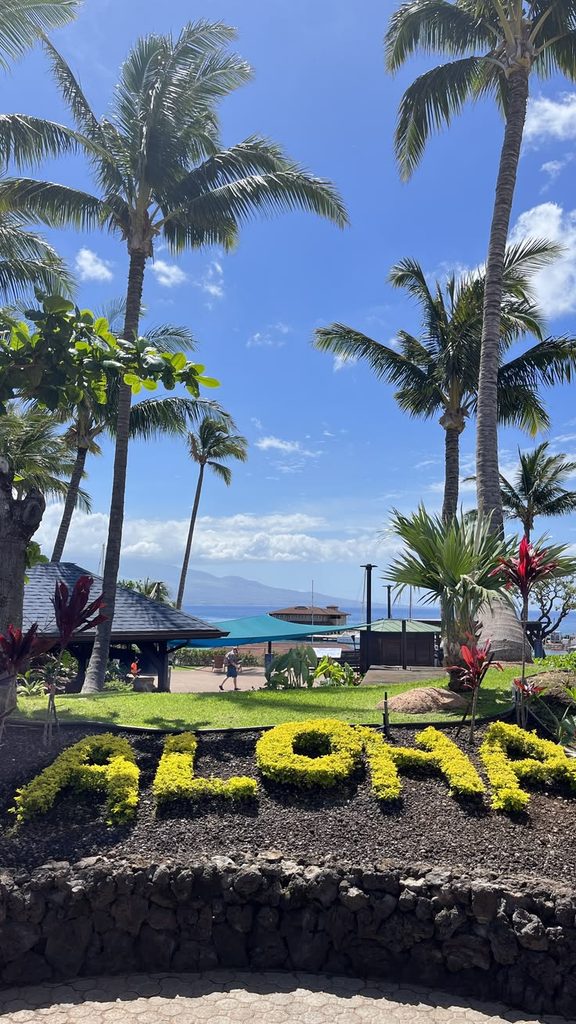
Hawaii Is the Destination. Your Accommodation Is the Strategy.
Most travel articles tell you to start with the attractions.
Pearl Harbor. Snorkelling. Volcanoes. Beaches. Scenic drives.
Those things matter, of course. But for a family holiday, accommodation often deserves attention first.
Why?
Because Hawaii isn’t the kind of place where you necessarily spend every waking moment sightseeing.
There will be slow mornings.
There will be afternoons when everyone has had enough sun.
There will be days when the best plan is to stay close to where you are.
A standard hotel room can work perfectly well for a short break. For a longer family vacation, however, the experience can feel very different. Luggage begins taking over the room. Everyone follows the same sleep schedule whether they want to or not. Finding somewhere comfortable to relax becomes harder.
Vacation-style accommodation changes that equation.
Depending on the property and unit, families may have access to additional living areas and amenities designed for longer stays. That doesn’t automatically make every property the right choice, but it gives travellers another way to think about accommodation.
Not as a room.
As a base.
And that distinction matters.
The Best Family Trips Usually Have One Thing in Common: They Don’t Feel Rushed
Hawaii has enough attractions to fill several holidays.
That can be dangerous for enthusiastic planners.
The temptation is understandable. You have travelled thousands of miles. You may only visit once. Surely, you should see everything possible?
Probably not.
Trying to experience every famous attraction can turn a family holiday into a carefully managed operation.
Wake up early.
Drive somewhere.
Park.
Explore.
Find lunch.
Drive again.
Check the time.
Move to the next activity.
Repeat.
By the end of the week, everyone has photographs—but nobody feels particularly relaxed.
A better Hawaii trip often works at a slower pace.
One day might involve exploring. The next could be built around the beach. Another might have no serious plan at all.
That kind of flexibility becomes easier when your accommodation feels comfortable enough to spend time in.
This is one of the understated advantages of vacation-style stays available through Extra Holidays. A family doesn’t necessarily have to treat the accommodation as somewhere they return to only when the day is over.
It can be part of the day itself.
A Hotel Room Can Be Beautiful. Space Can Be More Valuable.
Travel photography has trained us to look for impressive things.
Infinity pools.
Ocean views.
Perfect balconies.
Stylish interiors.
All of those things are nice. But families should ask a more practical question before booking:
How will this place work after three or four days together?
That question can reveal more than a dozen professional photographs.
Imagine returning from the beach with wet towels, bags and tired children. Imagine someone needing a quiet afternoon while someone else wants to watch television. Imagine trying to organise breakfast before a morning excursion.
These are not glamorous travel moments.
They are real ones.
And they are often what determine whether a family vacation feels effortless or exhausting.
Extra Holidays can be worth exploring for travellers who prefer resort-style accommodations that may provide a different experience from a conventional hotel setup. Specific room layouts, facilities and amenities vary by property, so checking the details before booking remains essential.
But the broader idea is simple:
More suitable space can create a more relaxed holiday.
Hawaii Doesn’t Need to Perform Every Day
One of the most appealing things about Hawaii is that doing very little can still feel like a good use of your time.
You don’t need an organised activity to enjoy the sound of the ocean.
You don’t need a reservation to watch the sunset.
You don’t need a packed itinerary to remember a beach day.
Families often underestimate this.
There is pressure to justify the cost of a major holiday by constantly doing something. But the value of Hawaii isn’t measured by the number of attractions you manage to visit.
Sometimes, the best day of the trip is the one that had no plan.
Breakfast takes longer than expected.
The family ends up at the pool.
Someone suggests the beach.
Lunch happens late.
Nobody checks the time.
That may not sound like an efficient itinerary.
It sounds like a vacation.
The Food Question Is Bigger Than It Looks
Family travel has a recurring challenge: food.
Someone is hungry before breakfast.
Someone doesn’t like the restaurant.
Someone wants a snack immediately after lunch.
Eating every meal out can also become expensive, especially for a larger family.
This is another reason accommodation matters.
Depending on the Extra Holidays property selected, travellers may find home-style amenities that offer greater flexibility around meals. Having the option to prepare simple food or manage snacks can change the daily rhythm of a trip.
It doesn’t mean avoiding local restaurants.
Hawaii’s food culture should absolutely be part of the experience.
But flexibility means you can choose when eating out feels special rather than making every meal another logistical decision.
For families, convenience often creates better value than simply finding the lowest price.
Extra Holidays Fits a Different Type of Traveller
Extra Holidays won’t necessarily be the perfect option for everyone.
A solo traveller staying for two nights may have very different priorities from a family spending a week or more in Hawaii.
The platform is likely to be more relevant for travellers who value the idea of resort-style stays and want accommodation that supports a longer, more relaxed vacation.
It may particularly appeal to families who are looking for:
- More room than a standard hotel setup may provide
- Resort-style environments
- Accommodation suitable for group travel
- A practical base between activities
- Greater flexibility during a longer stay
Of course, travellers should compare properties carefully. Location, unit size, available amenities and booking terms can all influence whether a particular stay represents good value.
The Extra Holidays name alone isn’t the reason to book.
The property itself should fit the trip you want to take.
The Real Luxury Is Not Always What You Think
Luxury travel is often presented as an upgrade.
A better room.
A better restaurant.
A better view.
For families, luxury can mean something much simpler.
Enough room for everyone.
A morning without rushing.
The freedom to change plans.
A comfortable place to return to.
Hawaii already provides the extraordinary scenery. You don’t need to manufacture a memorable experience every hour of the day.
The smartest approach is to create the conditions where good moments can happen naturally.
That means choosing a stay that works for your family rather than booking the first beautiful room you see online.
It means accepting that you won’t see everything.
And it means leaving enough empty space in the itinerary for Hawaii to surprise you.
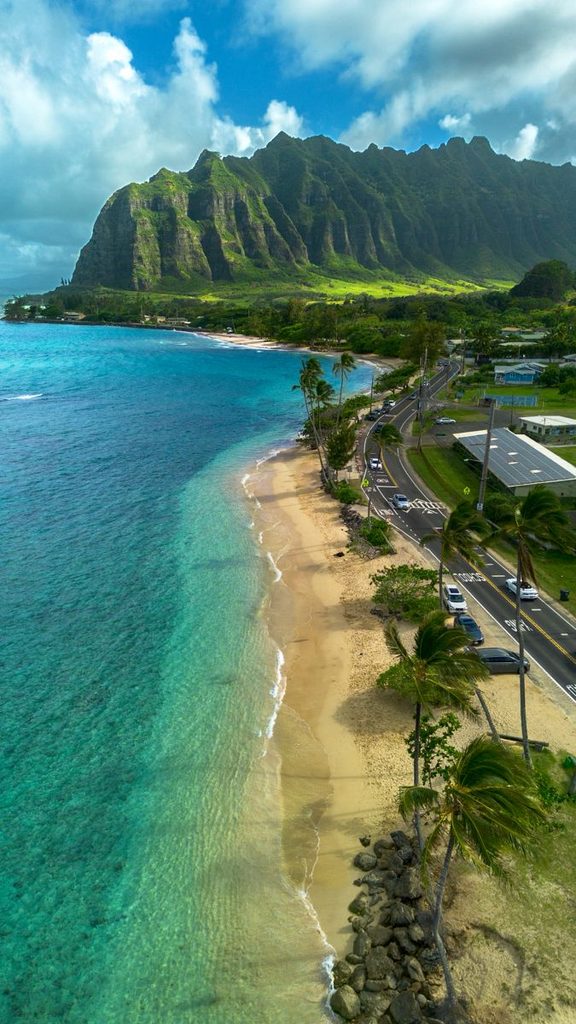
The Vacation You Remember Won’t Follow the Schedule
Years from now, your family probably won’t remember every booking confirmation.
They won’t remember the exact time you left for an excursion.
They may not even remember the name of every restaurant.
What tends to survive are the moments between the plans.
The unexpected beach stop.
The evening when everyone stayed up talking.
The morning nobody wanted to leave the resort.
The sunset that made everyone put their phones down for a minute.
That is the strange thing about family travel.
You spend weeks planning the trip, but the memories rarely come from the parts you controlled most carefully.
Final Perspective
Planning a Hawaii family vacation isn’t about building the perfect itinerary.
It’s about building a trip that gives everyone enough room—literally and figuratively—to enjoy it.
Extra Holidays offers an option for travellers who want to look beyond the conventional hotel experience and explore vacation-style resort accommodations. For the right family, choosing a more practical and comfortable base can make a meaningful difference to the entire holiday.
Hawaii will provide the beaches, landscapes and unforgettable views.
Your job is simpler.
Don’t try to experience everything.
Choose a place that works for your family. Give the trip some breathing room. Plan the important moments, then leave space for the unexpected ones.
Because the best Hawaii family vacation may not be the one where you did the most.
It may be the one where everyone finally had time to enjoy being there.


