


If you are looking to buy limited-edition sneakers, streetwear, or hard-to-find footwear, StockX and GOAT are two of the biggest names in the resale market. Both platforms connect buyers with sellers and use authentication processes designed to reduce the risk of counterfeit products.
However, StockX and GOAT work somewhat differently. StockX is particularly known for its stock-market-style buying experience, with live Bids, Asks, and sales data, while GOAT combines resale listings with retail products, releases, and its own authentication system.
So, which marketplace should you use in 2026?
The answer depends on what you value most: price discovery, selection, authentication, buying experience, selling fees, shipping, or access to new releases.
StockX vs GOAT at a Glance
| Feature | StockX | GOAT |
|---|---|---|
| Main focus | Resale marketplace and current-culture products | Sneakers, apparel and lifestyle products |
| Buying model | Buy Now or Make an Offer | Purchase listed items and other buying options |
| Authentication | StockX verification for its Verified Marketplace | GOAT authentication for resale products |
| New sneakers | Yes | Yes |
| Used sneakers | Available through StockX Listings Marketplace in the U.S. | Selected used products available |
| Market data | Strong historical pricing and transaction data | Product and marketplace information |
| Seller commission | Starts at 9% transaction fee + 3% processing for Level 1 sellers | Starts at 9.5% + seller fee for sellers in good standing |
| Seller shipping | StockX-provided shipping label | GOAT provides prepaid shipping labels |
| Instant/pre-verified products | Xpress Ship | Instant |
| International availability | Supported in many countries | International availability varies |
| Best known for | Price discovery and resale-market data | Sneaker selection, releases and shopping experience |
Fees, shipping costs, availability and marketplace features can vary by country and product.
What Is StockX?
StockX is a global marketplace for sneakers and other current-culture products.
Its catalog extends beyond footwear to apparel, accessories, watches, collectibles, electronics, trading cards and other products. StockX describes its main Verified Marketplace as a marketplace for new and unworn products.
One of StockX’s most recognizable features is its market-based buying system.
Buyers can:
- Buy at the lowest available Ask
- Make an Offer
- Monitor historical prices
- Look at time-stamped trades
- Track market activity
This makes StockX particularly interesting for people who want to understand how much a sneaker is actually trading for rather than simply looking at a seller’s asking price.
StockX has also expanded beyond its traditional new-sneaker marketplace. Its Listings Marketplace allows eligible U.S. buyers to purchase used and unique items, while selected listings can have StockX verification added at checkout.

What Is GOAT?
GOAT is another major sneaker marketplace offering new and resale footwear, apparel and accessories.
GOAT says resale products are generally shipped to its facilities for authentication before being sent to buyers. If an item is found to be inauthentic or not as described, GOAT says it can provide a full refund.
GOAT also offers products through trusted retail and boutique partners. Some products are pre-verified and can ship directly, while “Instant” products are pre-verified and ship from GOAT facilities.
This gives GOAT a slightly different feel from StockX: instead of being focused primarily on the live resale-market experience, GOAT combines resale, retail, releases and lifestyle shopping.
StockX vs GOAT: Authentication
Authentication is one of the biggest reasons shoppers use dedicated sneaker marketplaces instead of buying from unknown individual sellers.
StockX authentication
On the StockX Verified Marketplace, new and unworn products are either inspected by StockX or shipped directly from a StockX Verified Seller that has met StockX’s requirements.
For standard orders, a seller generally ships the item to StockX first. StockX then checks the product against its condition and product requirements before it moves to the buyer.
StockX says its verification process has rejected more than 1.4 million items valued at more than $400 million.
GOAT authentication
GOAT says resale products are required to go through verification before being shipped to the buyer. Its authentication process can involve digital authentication, in-hand inspection and machine-learning technology.
GOAT’s authentication specialists inspect details such as labels, stitching, texture and color.
Which approach should buyers understand?
Both platforms put substantial emphasis on authentication, but buyers should still understand that authentication is a process rather than an absolute guarantee against every possible issue.
For either platform, check the exact product condition, seller/fulfillment method, fees and buyer-protection terms before completing an expensive purchase.
Buying Experience: StockX vs GOAT
Buying on StockX
StockX uses a marketplace model built around Bids and Asks.
Suppose a sneaker has:
- Lowest Ask: $250
- Highest Bid: $230
You can immediately buy at the lowest Ask or submit your own Offer.
If a seller accepts your Offer, the transaction is confirmed.
StockX also provides historical market information, which can help buyers understand how a sneaker’s price has changed over time.
This makes StockX especially useful if you enjoy watching sneaker prices and negotiating through the marketplace.
Buying on GOAT
GOAT is more shopping-oriented.
You can browse products, select your size and purchase available inventory. GOAT also offers “Instant” products that are already authenticated and can ship directly from GOAT facilities.
The platform also features releases and products from retailers and boutiques, giving shoppers access to more than just traditional peer-to-peer resale listings.
StockX vs GOAT for buyers
The difference is mainly in the experience:
StockX: more market-oriented.
GOAT: more shopping and sneaker-culture oriented.
Neither model is universally better; the right choice depends on whether you prefer price discovery and market data or a more conventional sneaker-shopping experience.
StockX vs GOAT Prices
Prices can differ significantly between StockX and GOAT.
The same sneaker might have:
- A lower asking price on StockX
- A lower listed price on GOAT
- Different shipping costs
- Different processing fees
- Different taxes or import charges
Because of this, comparing only the headline sneaker price can be misleading.
For example, a sneaker listed for $220 on one marketplace isn’t necessarily cheaper than one listed for $225 on another if the two platforms add different fees at checkout.
StockX says its Verified Marketplace buyer fees are dynamic and can depend on factors including the item price, buyer and seller locations, and market conditions.
GOAT also adds shipping costs that vary by destination. Its current published shipping information includes different rates for regions such as the U.S., UK, EU, Australia, Canada, Japan and other markets.
Best practice: Compare the final checkout price rather than the advertised sneaker price.

Seller Fees: StockX vs GOAT
If you plan to resell sneakers, fees become much more important.
StockX seller fees
StockX’s current Verified Marketplace seller structure includes a 3% payment-processing fee plus a transaction fee based on the seller’s level.
The base transaction fee starts at:
- Level 1: 9%
- Level 2: 8.5%
- Level 3: 8%
- Level 4: 7.5%
- Level 5: 7%
Higher seller levels require increasing quarterly sales activity.
That means an established high-volume seller can potentially pay a lower transaction percentage than a new seller.
GOAT seller fees
GOAT currently lists a 9.5% commission for sellers in good standing, plus a seller fee. The commission can increase when sellers have cancellations or verification issues.
For example, GOAT states that sellers with lower ratings can move to higher commission levels, reaching 15%, 20% or even 25%, plus the applicable seller fee.
GOAT’s seller fee also depends on the seller’s location and shipping method.
Why seller fees matter
A sneaker that sells for $300 doesn’t mean the seller receives $300.
You should calculate:
Sale price − platform commission − processing/seller fees − shipping-related costs = approximate payout
Taxes and other location-specific costs can affect the final amount as well.
Shipping: StockX vs GOAT
StockX shipping
For a standard StockX Verified Marketplace order, the seller ships the sneaker to a StockX Verification Center.
After verification, StockX ships the sneaker to the buyer.
StockX also offers Xpress Ship for eligible products. These products are either already verified and stored at a StockX facility or are shipped directly by an approved Verified Seller.
This can reduce delivery time.
GOAT shipping
GOAT generally requires resale sneakers to be shipped to GOAT for verification before they are sent to the buyer.
GOAT also offers Instant products that are already authenticated and can ship directly from its facilities.
For sellers, GOAT provides prepaid shipping labels for standard sales.
Shipping comparison
| Feature | StockX | GOAT |
|---|---|---|
| Standard resale authentication | Yes | Yes |
| Pre-verified products | Xpress Ship | Instant |
| Seller shipping label | Yes | Yes |
| Direct fulfillment options | Selected Verified Sellers | Selected Instant/retail products |
| Delivery cost | Varies | Varies |
StockX vs GOAT for Selling Sneakers
Selling on either marketplace involves more than simply uploading a sneaker.
You need to:
- List the correct sneaker and size.
- Set your price.
- Confirm the sale.
- Ship within the required timeframe.
- Ensure the sneaker meets the platform’s condition requirements.
- Wait for authentication or fulfillment.
- Receive your payout.
StockX uses its Ask system, where sellers can set the minimum price they are willing to accept.
GOAT similarly allows sellers to list products, with seller performance affecting commission rates.
For sellers, reliability matters on both platforms. StockX has seller levels tied to sales performance, while GOAT uses a seller-rating system that can affect commissions.
StockX vs GOAT for Used Sneakers
This category has become more interesting because StockX has expanded beyond its traditional new-and-unworn marketplace.
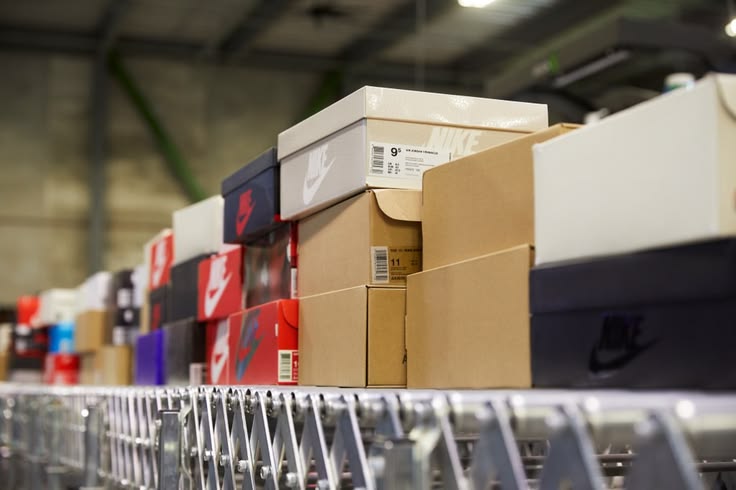
StockX’s Listings Marketplace allows used and unique sneakers in the United States. Buyers can purchase eligible listings directly or add StockX verification for a separate fee.
This is different from StockX’s traditional Verified Marketplace, where products are new and unworn.
GOAT also has used-product offerings, giving shoppers another option for buying sneakers that may no longer be available in brand-new condition.
For buyers interested in used sneakers, always check:
- Condition grade
- Photos
- Seller information
- Authentication option
- Return/buyer-protection terms
- Total price after fees
StockX vs GOAT for Sneaker Selection
Both platforms have extensive sneaker catalogs, including major brands such as:
- Nike
- Jordan
- adidas
- New Balance
- ASICS
- Converse
- Yeezy
- Supreme
- Travis Scott collaborations
However, inventory changes constantly.
A particular size may be available on StockX but unavailable on GOAT, or vice versa. Prices can also change as supply and demand change.
For that reason, checking both platforms before purchasing a particularly expensive sneaker can be useful.
StockX vs GOAT: Returns and Buyer Protection
Buyer protection is another important consideration.
StockX purchases are backed by its Buyer Promise. StockX says buyers can submit a request when an item arrives and is not as described, with eligible cases reviewed for possible refunds.
GOAT also provides buyer protection mechanisms. Its authentication policy states that when a Ship-to-Verify product is found to be inauthentic or not as described, GOAT may provide the same item from another seller or issue a full refund.
Because policies can vary by order type and location, always review the applicable return and buyer-protection terms before buying.
StockX vs GOAT: Which Is Better for Beginners?
For someone buying their first pair of resale sneakers, both platforms offer relatively structured buying processes.
StockX can be useful if you want:
- Live market prices
- Historical transaction data
- Bids and Asks
- An Offer-based buying system
- A marketplace focused heavily on resale economics
GOAT can be useful if you want:
- A more traditional shopping experience
- Resale and retail products in one marketplace
- Sneaker releases
- Instant/pre-verified products
- A broad sneaker and fashion catalog
The choice ultimately comes down to how you prefer to shop.
StockX vs GOAT: Pros and Cons
StockX Pros
- Strong resale-market data
- Bids and Asks
- Historical price information
- Large catalog of sneakers and current-culture products
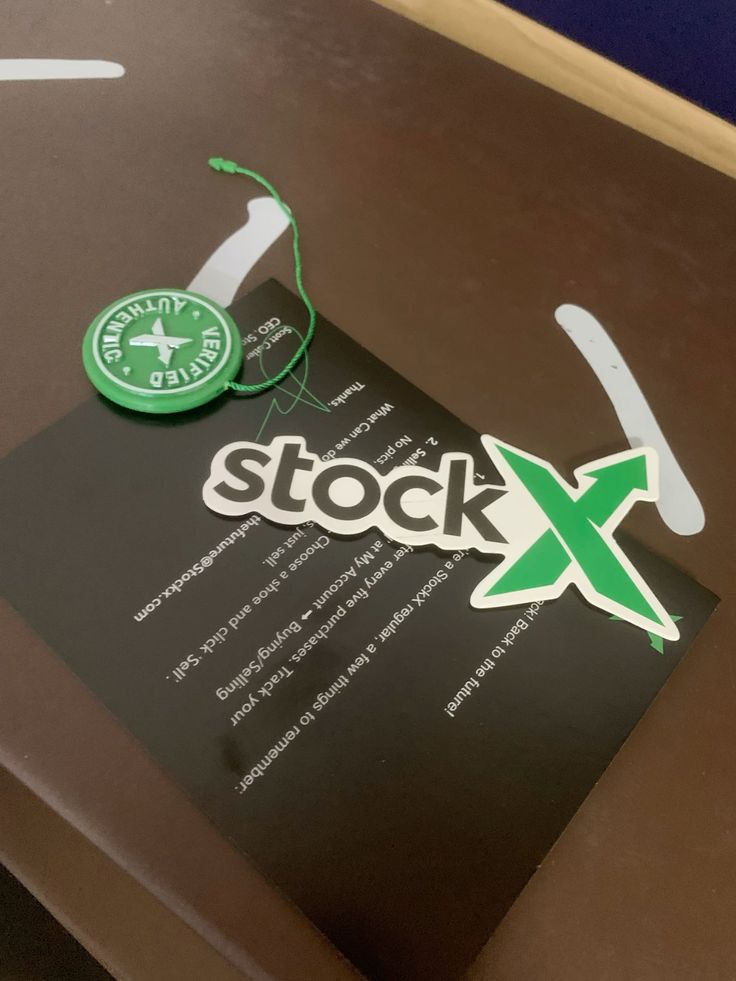
- Authentication for its Verified Marketplace
- Xpress Ship for eligible products
- Multiple buying and selling options
StockX Cons
- Fees can vary depending on location and transaction
- Standard orders may require an additional authentication step before delivery
- Seller fees depend on seller level
- Used-item Listings Marketplace availability is currently limited by region
GOAT Pros
- Large sneaker and fashion catalog
- Authentication for resale products
- Retail and resale products
- Instant/pre-verified products
- International shipping options
- Seller rating system
- Prepaid seller shipping labels
GOAT Cons
- Seller commissions can increase after cancellations or verification problems
- Shipping costs vary significantly by destination
- Final prices can change after shipping and other applicable fees
- Some products and services have regional availability restrictions
StockX vs GOAT: Which Should You Choose?
There isn’t one marketplace that works identically for every sneaker buyer or seller.
StockX is built around a highly transparent resale-market experience, with Bids, Asks and historical sales data. Its marketplace has also expanded into used and unique products in the U.S.
GOAT combines sneaker resale with retail products, releases and pre-verified inventory. Its resale sneakers generally go through GOAT’s authentication process before reaching buyers.
Before buying, compare the exact sneaker, size, condition, seller/fulfillment method, shipping cost, taxes and final checkout price on both platforms.
For sellers, compare the expected payout after platform fees rather than focusing only on the listing price.
Final Comparison
| Category | StockX | GOAT |
|---|---|---|
| Resale market data | Strong | Available, but different shopping focus |
| Bids & Offers | Yes | Offers/listing model varies by product |
| Authentication | Yes | Yes |
| New sneakers | Yes | Yes |
| Used sneakers | Yes, selected U.S. marketplace | Yes, selected products |
| Pre-verified fulfillment | Xpress Ship | Instant |
| Seller fees | Seller-level based | Commission + seller fee |
| International availability | Yes, varies by region | Yes, varies by region |
| Retail inventory | Limited/marketplace focused | Strong retail + resale mix |
| Best for | Market-focused sneaker buyers and sellers | Sneaker shoppers wanting resale + retail options |
Ultimately, the smartest way to shop for a high-value sneaker is to compare the final delivered price and product availability on both StockX and GOAT before placing an order.


