


Samsung is one of the most recognised smartphone brands, offering devices across budget, mid-range, premium, and foldable categories. From the Galaxy A series to the flagship Galaxy S series and Galaxy Z foldables, the brand provides options for different budgets and needs.
But is Samsung really worth buying? The answer depends on what you expect from your smartphone. Samsung phones are known for their vibrant displays, feature-rich software, versatile cameras on selected models, and long-term software support. However, some models can be expensive compared with competitors that offer faster charging, larger batteries, or more powerful hardware at similar prices.
In this Samsung review, we will look at the brand’s key advantages, disadvantages, performance, camera quality, battery life, software experience, and overall value for money.
1. Samsung Design and Build Quality
One of Samsung’s strengths is its attention to smartphone design. Many Galaxy phones feature a clean appearance, slim profiles, and carefully finished bodies. Premium Galaxy S models generally use higher-end materials, while Galaxy A models aim to provide an attractive design at more accessible prices.
Samsung also offers foldable smartphones through its Galaxy Z series. These devices are designed for people who want a larger screen for multitasking, reading, entertainment, and productivity in a more portable form.
Build quality varies by model. Some devices include enhanced water and dust resistance or stronger protective glass, while more affordable models may make compromises to keep costs down. Always check the exact phone’s durability rating before purchasing.
Verdict: Samsung is a good choice if you value attractive design and a polished feel, but the materials and durability features depend on the model.
2. Display Quality: One of Samsung’s Biggest Strengths
Samsung has a strong reputation for display technology, and its Galaxy smartphones often feature vibrant AMOLED or Super AMOLED screens. These displays can deliver rich colours, deep blacks, and strong contrast, making them suitable for watching videos, browsing social media, reading, and gaming.
Many mid-range and flagship models also offer high-refresh-rate displays, which can make scrolling and supported games feel smoother. Premium devices typically provide better brightness, resolution, or additional display features than entry-level models.
However, not every Samsung phone has the same screen quality. Budget models may offer lower brightness, simpler display specifications, or fewer premium features.
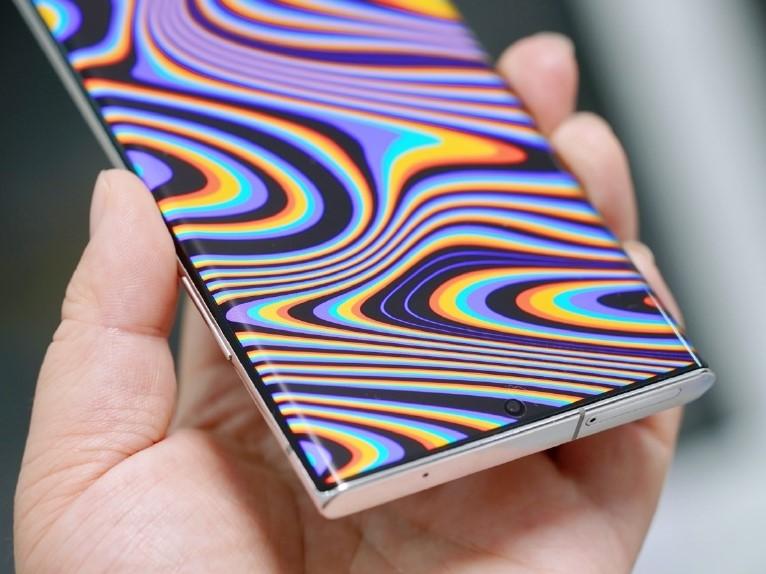
Verdict: Samsung is worth considering if screen quality is a priority, especially when comparing models with similarly priced competitors.
3. Camera Performance: Good for Everyday Photography
Samsung offers a wide range of camera systems across its smartphone lineup. Depending on the model, you may get a capable main camera, an ultrawide camera, optical zoom, portrait features, and advanced video recording options.
Premium Galaxy S models generally provide the most versatile camera experiences. They can be suitable for travel photography, portraits, everyday photos, and video recording. Mid-range Galaxy A phones can also produce appealing photos in good lighting, making them suitable for social media and daily use.
There are some limitations to consider. Camera performance can vary considerably between models, particularly in low light, ultrawide shots, and zoom photography. A phone with more megapixels does not automatically take better pictures.
Before buying, look for real-world camera samples and reviews of the exact model you are considering.
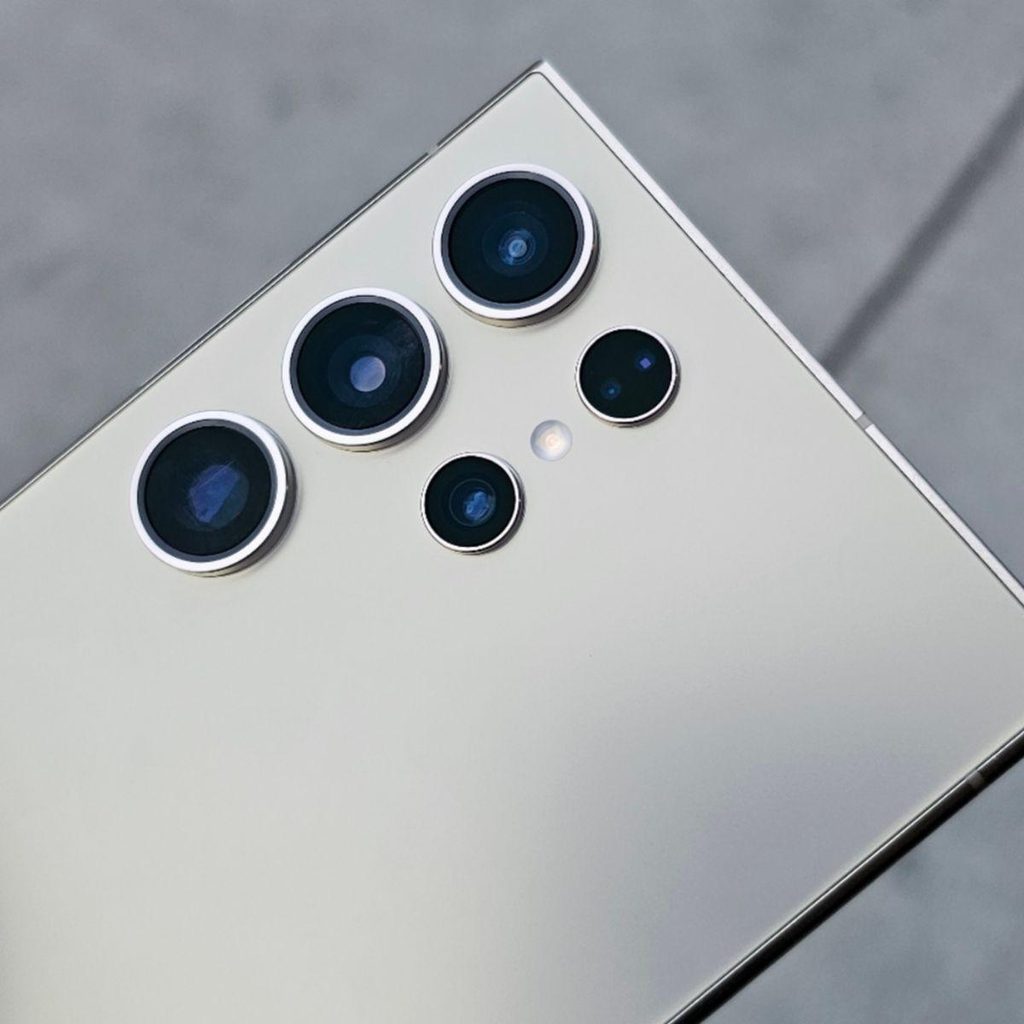
Verdict: Samsung can be a strong camera choice, but buyers should compare individual models rather than assuming every Galaxy phone offers flagship-level photography.
4. Performance and Gaming
Samsung smartphones cover a wide range of performance levels. Entry-level models are generally intended for calls, messaging, browsing, video streaming, and everyday apps. Mid-range devices can handle multitasking and casual gaming, while flagship Galaxy S phones are designed for more demanding workloads.
For gaming, consider the processor, RAM, cooling system, display refresh rate, and sustained performance. A phone may perform well in short gaming sessions but become warm or reduce performance during extended gameplay.
If gaming is your main priority, compare Samsung with performance-focused alternatives from brands such as iQOO, OnePlus, and realme. Depending on the price, competitors may offer stronger gaming performance or faster charging.
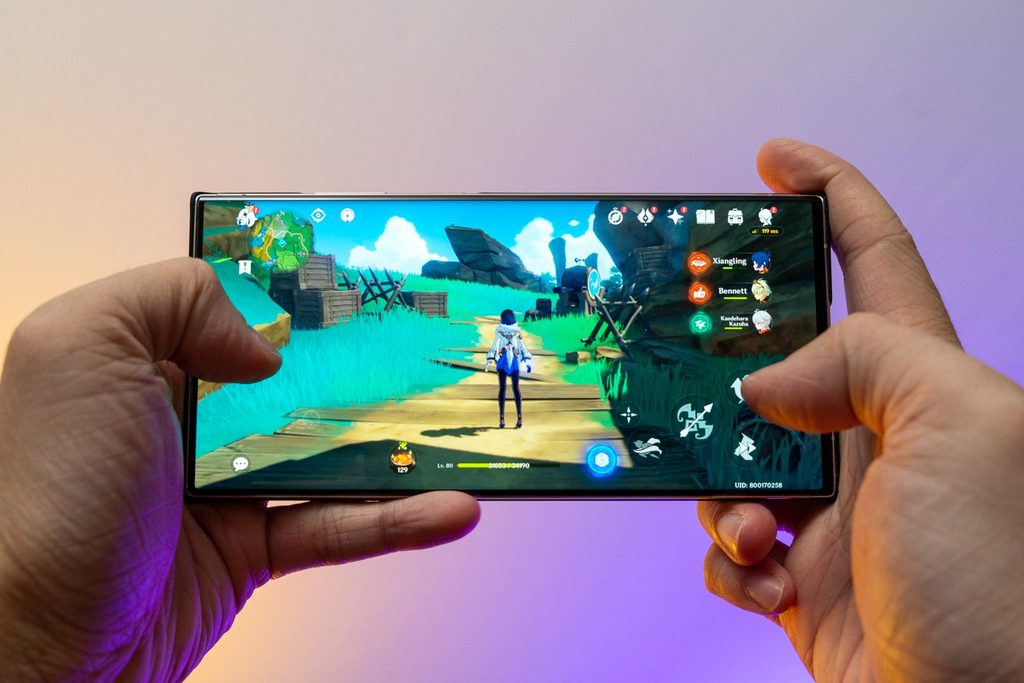
Verdict: Samsung flagships can provide powerful performance, while budget and mid-range models should be evaluated according to their price and intended use.
5. Battery Life and Charging Speed
Battery performance depends on the phone’s battery capacity, processor efficiency, display, software optimisation, and how you use the device. Many Samsung phones can provide a full day of typical use, but heavy gaming, navigation, camera recording, and mobile data usage can reduce battery life.
Charging speed is an important consideration. Some competing Android phones offer faster wired charging, which can be useful if you frequently need to top up your battery in a short period.
Charging support also varies between Galaxy models, and a compatible charger may not always be included in the box. Check the supported charging wattage and the cost of any accessories you need.
Verdict: Samsung can offer dependable everyday battery performance, but it may not be the best choice if the fastest possible charging is your main requirement.
6. Software Experience: One UI and Useful Features
Samsung smartphones run Android with Samsung’s One UI interface. It provides customisation options, multitasking tools, privacy settings, device-management features, and integration with other Samsung products.
Depending on the device and software version, Galaxy phones may also offer Galaxy AI features and tools for editing photos, translating content, summarising information, or improving productivity. Availability can vary by model, region, language, and software version.
One UI includes many features, which can be helpful for users who like customisation. However, some people may find the interface more feature-heavy than simpler Android experiences. Preinstalled apps and overlapping services can also take time to organise.
Samsung’s software-update policies are another important consideration. Some newer Galaxy models promise several years of operating-system and security updates, but the exact commitment depends on the model.
Verdict: Samsung is a good option for people who want a feature-rich Android experience and long software support on eligible devices.
7. Price and Value for Money
Samsung sells smartphones at multiple price points, so its value proposition depends on the series and specific model.
- Budget Galaxy phones: Suitable for everyday essentials, provided the specifications meet your needs.
- Mid-range Galaxy A phones: Worth considering for users who want a good display, useful cameras, and software support without paying flagship prices.
- Flagship Galaxy S phones: Designed for buyers who want premium displays, advanced cameras, powerful hardware, and additional features.
- Galaxy Z foldables: Best suited to users who specifically value a folding design and expanded multitasking possibilities.
Samsung’s brand reputation and software support can make a phone attractive for long-term ownership. Nevertheless, competitors may provide better raw specifications, faster charging, or more gaming performance for the same amount of money.
Compare the final price after discounts, the storage configuration, warranty, and software-update policy before deciding.
8. Samsung Phones: Main Pros and Cons
Pros
- Vibrant displays on many Galaxy models.
- Wide selection of phones for different budgets.
- Feature-rich One UI software.
- Useful ecosystem integration with Galaxy watches, earbuds, tablets, and other devices.
- Advanced camera systems on selected premium models.
- Long software support on eligible devices.
- Foldable options for multitasking and larger-screen use.
Cons
- Some models are expensive compared with similarly specified rivals.
- Charging speeds may be slower than those of some competitors.
- Camera quality varies significantly across the range.
- Entry-level devices may not suit demanding gaming or heavy multitasking.
- The software can feel feature-heavy to users who prefer a minimal interface.
- Premium features are not available on every Galaxy phone.
9. Samsung vs Other Smartphone Brands
Samsung competes with several Android manufacturers, each offering different advantages.
| Brand | Main strength to consider | What to compare carefully |
|---|---|---|
| Samsung | Displays, software features, broad lineup | Price and charging speed |
| OnePlus | Performance and fast charging on selected models | Camera consistency and update policy |
| Google Pixel | Computational photography and Google software | Charging and hardware value |
| iQOO | Performance-focused devices | Camera experience and software preferences |
| Xiaomi | Hardware specifications and camera options on selected models | Software experience and model-specific value |
| realme | Competitive specifications across price segments | Update policy and camera performance |
This is a general comparison rather than a ranking of every phone from these brands. A well-priced competitor may be a better purchase than a Samsung device, while a Samsung model may be the better choice for its display, software features, or ecosystem.
10. Who Should Buy a Samsung Phone?
Samsung is worth considering if you:
- Want a vibrant screen for videos, reading, and everyday use.
- Prefer Android with plenty of customisation and built-in features.
- Want to keep your phone for several years and value software support.
- Already use Samsung products and want them to work together.
- Need a premium camera system on a suitable Galaxy flagship.
- Want the option of a foldable smartphone.
Samsung may be less suitable if you prioritise the highest gaming performance for the lowest price, extremely fast charging, or maximum specifications on a strict budget. In those cases, compare competing models in the same price range.
Final Verdict: Is Samsung Worth Buying?
Yes, Samsung can be worth buying, but choosing the right model matters more than choosing the brand alone.
Samsung’s biggest advantages are its display quality, feature-rich software, broad smartphone range, ecosystem, and long software support on eligible devices. Its premium models are worth considering for buyers who want a polished all-round experience, while its more affordable phones can work well for everyday use when priced competitively.
The main trade-offs are that some models cost more than similarly specified rivals, charging speeds may lag behind competitors, and camera and performance quality differ across the lineup.
Our recommendation: Choose Samsung if you value the overall experience, display, software features, and long-term support. Before buying, compare the exact Galaxy model against similarly priced alternatives and check its camera quality, battery life, performance, charging speed, and update commitment.
Ultimately, the best Samsung phone is the one that fits your budget and daily needs—not necessarily the most expensive model.


