


Home security used to be fairly straightforward. You locked the front door, checked the windows before bed, and perhaps installed a basic alarm system if you wanted extra peace of mind.
Today, things look very different.
Our homes are filled with technology, deliveries arrive when we’re away, and many people want to know what’s happening at home even when they’re miles away. Security is no longer just about preventing someone from opening a door. It’s about awareness, convenience, connectivity, and having greater control over the space you call home.
This shift has helped change the way people think about security systems—and brands like SimpliSafe have become part of that change.
Instead of making home protection feel overly technical or complicated, SimpliSafe has helped popularise a simpler approach to modern security. Wireless devices, smart monitoring options, cameras, sensors, and app-based controls have made it possible for homeowners and renters to consider security in a more flexible way.
So, what makes modern systems like SimpliSafe different from the traditional alarms many of us remember?
The answer goes far beyond locks and keys.
Home Security Has Entered the Smart Era
Think about the old-fashioned idea of a security system.
It often involved complicated installation, professional wiring, lengthy contracts, and a control panel mounted somewhere on the wall. For some people, setting up a security system felt like a major home improvement project rather than a simple purchase.
Modern expectations have changed.
People are now used to technology that works quickly and intuitively. We can control lights from our phones, watch television on demand, and speak to people through video calls from almost anywhere.
Naturally, home security has started moving in the same direction.
SimpliSafe represents this shift toward a more connected and user-friendly security experience. Instead of treating security as a complex system that homeowners need technical knowledge to understand, the focus is on making protection more accessible.
The idea is simple: security should fit into your life, rather than forcing your life to adapt to the security system.
No More Thinking About Wires Everywhere
One of the biggest changes in modern home security is the move towards wireless technology.
Traditional wired systems can require professional installation and significant planning. Wireless systems, on the other hand, can offer more flexibility depending on the setup and property.
This is particularly appealing to people who don’t want a major installation process.
With wireless components, sensors and devices can often be positioned around the home without the same level of physical infrastructure associated with older security systems.
That flexibility matters.
People move house.
Renters may not be able to make permanent changes.
Homes have different layouts.
Security needs can also change over time.
A system that allows users to adapt their setup can therefore feel more practical than a one-size-fits-all approach.
SimpliSafe has built much of its appeal around this idea of making home security feel less intimidating.
Security Shouldn’t Require an Engineering Degree
Let’s be honest: most people don’t want to spend their weekend reading a 100-page installation manual.
They want to know three things:
Is my home protected?
Can I understand how the system works?
Will it be easy to use every day?
This is where simplicity becomes important.
Technology can offer hundreds of advanced features, but if the average user finds them confusing, they quickly lose their appeal.
Modern home security works best when it becomes part of a natural routine.
Leaving the house? Arm the system.
Going to bed? Switch to your preferred security mode.
Want to check on your property? Use compatible cameras or connected tools.
The goal isn’t to make homeowners feel like security experts.
It’s to make security easier to manage.
SimpliSafe’s approach has helped bring this type of experience into the mainstream conversation.
The Front Door Isn’t the Only Concern Anymore
Home security has expanded.
Years ago, an alarm might have focused primarily on doors and windows. Today, homeowners often want a broader view of what is happening around their property.
That’s where different types of security devices come into play.
Depending on the system and setup, modern home security can include components designed for areas such as:
- Entry doors
- Windows
- Main living spaces
- Outdoor areas
- Driveways
- Indoor rooms
The ability to create a more personalised security setup is one reason smart security systems have become increasingly popular.
A small apartment does not need the same setup as a large family home.
Someone living alone may have different priorities from a family with children.
A homeowner may want outdoor monitoring, while a renter may prefer a simpler indoor system.
SimpliSafe allows the conversation around security to become more personal.
Instead of asking, “What security system should everyone have?”, people can ask:
“What type of protection makes sense for my home?”
Cameras Changed the Way We Think About Being Home
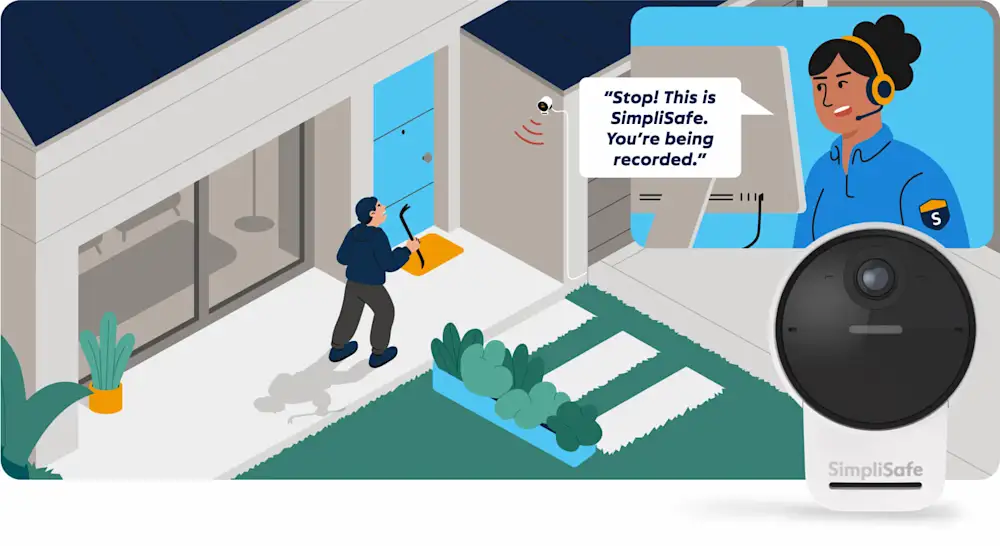
One of the most significant developments in home security has been the growth of connected cameras.
A camera doesn’t physically stop an event from happening. But it can provide something incredibly valuable: visibility.
Imagine you’re away for the weekend and receive an alert about activity near your home.
Instead of wondering what’s happening, connected security technology can potentially allow you to check the situation through compatible devices and services.
That awareness is a major part of modern security.
It isn’t only about responding after something happens.
It’s about staying informed.
This is particularly useful in a world where online shopping and home deliveries have become part of everyday life. People often want to know when packages arrive, who is approaching their property, or what is happening outside their front door.
SimpliSafe and other smart security brands are responding to this demand for greater visibility.
Security That Moves When You Move
Here’s something traditional security systems didn’t always handle particularly well: moving house.
People relocate for jobs, relationships, education, or simply a change of scenery. A security system that is permanently tied to one property may not always suit a more mobile lifestyle.
Wireless home security offers a different possibility.
Depending on the equipment and installation requirements, a flexible system can potentially be adapted when circumstances change.
This is particularly relevant for renters.
Renting doesn’t mean you don’t care about security. In fact, renters may be especially interested in solutions that don’t require extensive modifications to the property.
SimpliSafe’s flexible approach is one reason the brand appeals to people looking for an alternative to traditional, permanently installed systems.
The Real Value Is Peace of Mind
Security products are often marketed through features.
Sensors.
Cameras.
Alarms.
Monitoring.
Mobile controls.
But most customers aren’t actually buying technology because they love technology.
They’re buying peace of mind.
You want to leave home without wondering whether you remembered to lock everything.
You want to go on holiday without constantly worrying about your property.
You want to know that if something unusual happens, you have systems in place to help you respond.
That emotional side of security is important.
The best security technology doesn’t need constant attention. Ideally, it quietly works in the background and becomes part of everyday life.
SimpliSafe’s appeal lies partly in making this idea feel approachable.
Home protection doesn’t have to begin with an expensive, complicated project.
Sometimes, it starts with simply deciding that you want more awareness and control.
Technology Is Making Security More Personal
One of the most interesting things about smart home security is that it can be customised around individual lifestyles.
For example, a frequent traveller might prioritise remote access and notifications.
A family may focus on entry sensors and broader home coverage.
Someone living in an apartment might want a smaller, straightforward setup.
This flexibility is changing the traditional idea of a standard security package.
SimpliSafe is part of a market where customers increasingly expect to choose solutions based on their circumstances rather than accepting a fixed system designed for everyone.
That approach makes sense because homes are personal.
Security should be personal too.
But Smart Doesn’t Mean You Should Stop Being Careful
Technology can improve awareness and convenience, but a security system should be part of a broader approach to protecting your home.
Simple habits still matter.
Lock your doors.
Secure accessible windows.
Don’t openly share travel plans with strangers online.
Be aware of who has access to your property.
Check that devices and accounts are properly secured.
Smart technology works best when combined with common sense.
A modern security system can add another layer of protection, but no single product can remove every possible risk.
The goal should be to create a security setup that makes sense for your property and lifestyle.
Why SimpliSafe Fits the Modern Home
The modern home is changing quickly.
We’re adding more connected devices. Working from home more often. Receiving more deliveries. Managing more aspects of our lives through smartphones.
Home security is evolving alongside these changes.
SimpliSafe stands out because it approaches security with accessibility in mind. The emphasis on wireless technology and connected devices reflects what many consumers now expect from household technology: flexibility, convenience and easier control.
The appeal isn’t necessarily about replacing every traditional security measure.
It’s about adding smarter tools to the way we already protect our homes.
And perhaps that’s the biggest change of all.
Security is no longer something hidden behind a complicated control panel.
It’s becoming part of the connected home.
Final Thoughts: Security Is No Longer Just About What Happens When You’re Away
For generations, home security was largely about one question:
How do we stop someone from getting in?
Today, the question is much broader.
How do we stay aware?
How do we monitor our homes?
How do we receive information when something unexpected happens?
How do we create a system that fits our lifestyle?
SimpliSafe is part of this new chapter in home protection, where wireless technology and connected devices are making security feel more flexible and accessible.
The future of home security may not be about adding more complicated technology.
In fact, it could be the opposite.
The best systems may be the ones that make advanced protection feel simple.
Because at the end of the day, nobody wants to spend their life managing a security system.
They simply want to feel confident when they close the door behind them.
And that’s where modern home security is moving—beyond locks and keys, toward smarter ways to stay connected to what matters most.


