


Protein shakes have become the default answer to a very common problem: how do you get enough protein into your day without cooking a meal every time you’re hungry after a workout? Protein Works is one of the more established names trying to solve that problem, and it’s worth understanding what actually sets the brand apart before deciding whether it’s the right fit for your routine — rather than just taking “best shakes on the planet” at face value.
Who Protein Works Actually Is
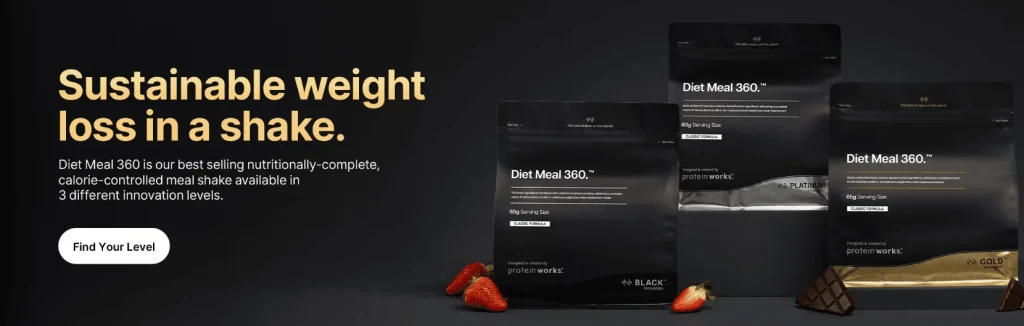
Protein Works is a UK-based sports nutrition company founded in 2012, built entirely around direct-to-consumer sales rather than supermarket shelves. That online-only model matters more than it might seem — cutting out retail middlemen is part of how the brand keeps its pricing competitive against bigger, more visible names in the category. Over more than a decade, the company has expanded well past basic whey powder into meal replacement shakes, plant-based protein, protein snacks, and wellness supplements, all developed and manufactured in-house rather than white-labeled from a third party. One detail that genuinely differentiates them from most competitors is a “Create Your Own” tool that lets customers build a custom protein blend from a long list of ingredients — useful if you have very specific goals or sensitivities that a pre-made formula doesn’t quite match.
Why Protein Shakes Are Worth Understanding, Not Just Buying
Before comparing brands, it helps to understand what a protein shake is actually doing for your body, since that context is what makes the marketing claims easier to evaluate. Protein is the nutrient responsible for repairing and building muscle tissue, and your body needs a steady supply of it throughout the day — not just immediately after a workout — to make the most of that repair process. A shake is popular because it’s one of the fastest ways to hit a protein target without needing to cook, chew through a large meal, or plan ahead. It’s also relatively calorie-efficient, meaning you can get a meaningful dose of protein without the extra fat or carbohydrates that often come attached to protein-rich whole foods like meat or dairy. None of that makes a shake superior to real food — it makes it a convenient supplement to it, which is really the role it’s designed to play.
The Main Types of Protein Powder, Explained
Not all protein powder works the same way, and understanding the differences makes it much easier to pick the right one instead of guessing based on the label. Whey protein, made from milk, is absorbed quickly by the body, which is why it’s the standard choice for right after a workout when muscles are primed to use amino acids fast. Casein, also milk-derived, digests far more slowly, releasing amino acids gradually over several hours — that makes it a better fit before bed than right after training, since it keeps feeding your muscles while you sleep instead of being absorbed and gone within an hour. Plant-based protein, typically blended from pea, rice, or soy sources, is built for anyone who’s vegan, lactose intolerant, or simply trying to cut back on dairy; blending multiple plant sources together is what gives these powders a fuller amino acid profile, since no single plant protein source covers everything whey does on its own. Egg white protein is a smaller category but worth knowing about — it’s low in calories relative to its protein content and works well for anyone building lean muscle without wanting the extra calories that come with other protein sources.
How to Actually Choose One
The right shake depends far more on your goal than on which brand has the flashiest packaging. If you’re training for muscle growth or recovering from intense workouts, a fast-absorbing whey isolate right after exercise makes physiological sense, since your muscles are most receptive to amino acids in that post-workout window. If weight management is the priority, a shake that’s higher in protein relative to its calorie count will keep you fuller for longer than one loaded with added sugars — protein is simply more satiating per calorie than carbohydrates, which is part of why high-protein diets tend to reduce overall snacking. If you’re vegan, lactose intolerant, or just prefer to limit dairy, a blended plant protein is the more comfortable choice and won’t leave you dealing with the bloating that whey sometimes causes in people with sensitive digestion. It’s also worth actually reading the ingredient list rather than just the protein-per-scoop number on the front of the tub — a shake with a shorter, more recognizable ingredient list is generally a sign of less processing and fewer unnecessary additives, even if it isn’t automatically “healthier” in every case.
What Sets Protein Works Apart From the Rest of the Market
The sports nutrition market is crowded, and most of the well-known names — Myprotein, Optimum Nutrition, and others — are competing on largely the same territory: price, flavor variety, and product range. Protein Works holds its own in that comparison mainly through breadth and customization. Beyond standard whey and vegan lines, the brand’s catalog stretches into meal replacement shakes and protein-fortified snacks, which makes it a realistic option for people trying to build an entire day’s nutrition around convenient, protein-forward products rather than just topping up after the gym. The custom blend tool is the standout feature for anyone who’s tried a few pre-made formulas and found none of them quite right — being able to dial in your own protein source, flavor, and added ingredients solves a problem that most competitors simply don’t offer a solution for.
A Simple Homemade Shake Worth Trying
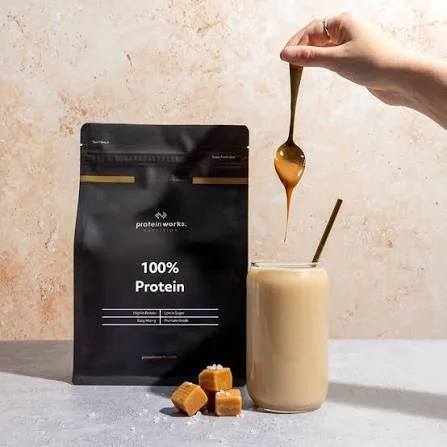
If you’d rather build your own shake than rely on a flavored powder alone, a banana and peanut butter blend is a reliable starting point: one ripe banana, two tablespoons of natural peanut butter, a scoop of your protein powder of choice, and a cup of milk or a milk alternative, blended until smooth. The banana adds natural sweetness and potassium, the peanut butter contributes healthy fats that slow digestion and help you feel fuller longer, and the protein powder does the heavy lifting on your daily protein target. It’s a useful base recipe precisely because it’s easy to adapt — swap in oats for a thicker texture, cocoa powder for a chocolate version, or frozen berries if you want something lighter and more refreshing.
Final Thoughts
Protein Works earns its reputation less from any single “best shake” claim and more from the breadth of what it offers and the flexibility of its custom-blend option — genuinely useful if you’ve struggled to find a pre-made formula that fits your specific goals or dietary needs. That said, no single brand is automatically the right one for everyone; the better approach is to start from what you’re actually trying to achieve — recovery, weight management, or simply hitting a daily protein target — and choose the protein type and product line that actually supports that goal, rather than choosing based on branding alone.


