


Taking care of your skin is one thing. Preserving it is another story.
Most skincare routines focus on the moments spent in front of the mirror. Cleansing removes the day’s buildup, serums target specific concerns, and moisturisers help support the skin barrier. But skincare does not suddenly stop working when the lights go out.
You spend several hours every night with your face pressed against a pillowcase.
That makes one question worth asking: could the surface you sleep on become part of your skincare routine too?
For people dealing with breakouts, irritation, dryness, or simply wanting to create a gentler nighttime environment, the answer may lie partly in paying attention to bedding. Emily’s Pillow brings silk into this conversation with products designed to make sleep feel like an extension of self-care rather than simply the end of the day.
Why Does Acne Appear in the First Place?
Acne is more complicated than simply having “dirty skin.”
Breakouts can develop for several reasons, often involving a combination of factors. Excess oil, clogged pores, dead skin cells, bacteria, inflammation, hormonal changes, and genetics can all play a role.
to breakouts include:
- Hormonal fluctuations
- Increased sebum production
- Stress
- Certain cosmetic products
- Sweat and humidity
- Touching the face frequently
- Not cleansing makeup properly
- Friction and pressure against the skin
This last point is particularly interesting when thinking about sleep.
Your face can spend six, seven, or eight hours in contact with the same pillowcase. Over time, pillowcases can collect traces of skincare products, sweat, natural oils, and other everyday residues.
That does not mean your pillowcase is automatically causing acne. Acne has many possible causes. But creating a cleaner and more comfortable sleep environment can still be a sensible part of an overall skincare routine.
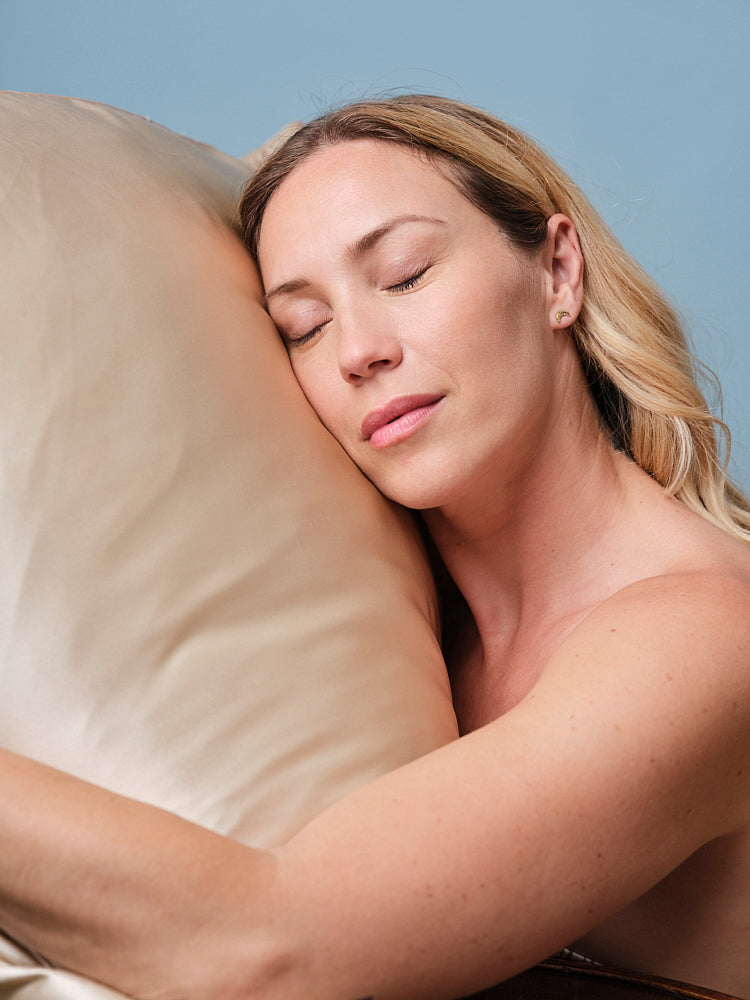
Your Pillowcase Sees More Than You Think
Think about everything that happens before your head hits the pillow.
You’ve been outside.
You’ve touched your face.
You’ve applied skincare.
Your hair has collected natural oils and styling products.
Then you sleep in the same spot for hours.
This is why changing and caring for bedding regularly matters.
A pillowcase is not just a decorative part of the bedroom. It is one of the fabrics that comes into the closest and longest contact with your skin.
For people trying to manage acne-prone or sensitive skin, small habits can make a difference to the overall environment surrounding the face.
These habits include:
- Regularly changing pillowcases
- Cleansing the face before bed
- Removing makeup thoroughly
- Keeping hair products away from the face when possible
- Avoiding unnecessary touching or rubbing
- Choosing gentle fabrics for sleep
The goal is not to promise a miracle solution.
Good skincare is rarely about one product changing everything overnight.
It is usually about creating better habits consistently.
Silk Does Not Retain Impurities in the Same Way as Rougher Fabrics
One of the reasons silk pillowcases have become part of the beauty conversation is their smooth and delicate surface.
Emily’s Pillow highlights silk as a material that offers a different sleeping experience from traditional bedding fabrics. A smooth silk surface creates less friction against the skin and hair while you sleep, making it an appealing option for people who want to be gentler with their nighttime routine.
Silk does not retain impurities in the same way people often associate with heavier, more absorbent fabrics, particularly when the pillowcase is properly cared for and washed regularly.
That does not mean a silk pillowcase never needs washing—every pillowcase requires regular cleaning. But choosing a smooth, high-quality material and maintaining it properly can become part of a more mindful approach to bedtime hygiene.
For acne-prone skin, the focus should always remain realistic: a pillowcase alone cannot treat acne or replace professional skincare advice.
However, reducing unnecessary friction and maintaining a clean sleeping surface can complement a wider routine.
Less Friction, More Comfort
Skin moves against your pillowcase throughout the night.
For some people, particularly those with sensitive skin, repeated friction can feel uncomfortable. A smoother surface may create a gentler sleeping experience.
This is where silk stands out.
The appeal of a silk pillowcase includes:
- A smooth surface against the face
- Less friction during sleep
- A soft and lightweight feel
- A luxurious addition to a nighttime routine
- A more comfortable environment for skin and hair
Emily’s Pillow takes this simple idea and turns it into a broader approach to nighttime self-care.
Instead of thinking about beauty as something that only happens during the day, the brand encourages people to consider what happens during the hours when they are resting.
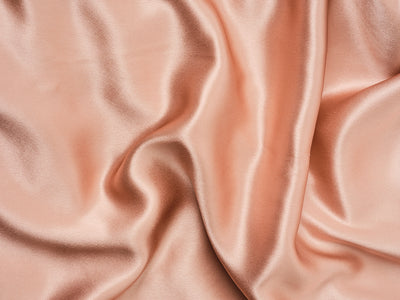
Taking Care of Your Skin While You Sleep
Nighttime is when many people apply their most nourishing skincare products.
A typical evening routine might include:
- Cleansing away the day
- Applying a treatment or serum
- Using moisturiser
- Preparing for sleep
But what comes next?
Your skin rests against your pillowcase for hours.
This is why the final step of your routine may be more connected to your sleep environment than you realise.
Emily’s Pillow offers various silk products designed to bring comfort into this part of the day. From silk pillowcases to other silk accessories, the idea is to create a softer environment where self-care continues after bedtime.
A silk pillowcase should not be viewed as a replacement for skincare products. Instead, it can work alongside the routine you already have.
Think of it as changing the environment rather than adding another treatment.
Baby Skin for Everyone? Let’s Be Realistic
Everyone loves the phrase “baby-soft skin.”
But adult skin has a different reality.
Stress happens. Hormones fluctuate. Weather changes. Sleep schedules become unpredictable. Breakouts appear at the worst possible time.
No pillowcase can guarantee flawless skin.
And that’s okay.
The purpose of a thoughtful skincare routine should not be perfection. It should be about supporting your skin and making choices that feel good for your lifestyle.
A silk sleeping surface may help create a smoother and more comfortable experience, but healthy-looking skin still depends on several factors:
- Genetics
- Hormonal balance
- Diet and lifestyle
- Sleep quality
- Stress levels
- Skincare habits
- Sun protection
- Existing skin conditions
The best approach is a balanced one.
Take care of your skin without expecting a single product to solve every concern.
Guaranteed Hair Hydration? Your Hair Benefits From a Gentler Surface Too
The relationship between silk and beauty does not stop with skin.
Hair also spends hours moving against a pillowcase.
For people with dry, textured, curly, or easily tangled hair, nighttime friction can contribute to the dreaded morning experience: frizz, knots, and hair that seems to have developed its own personality overnight.
Silk’s smooth texture is why many people choose it as part of their haircare routine.
Potential benefits include:
- Less friction against hair
- Reduced tangling
- A smoother feeling in the morning
- Less disruption to hairstyles
- A gentle surface for delicate strands
Emily’s Pillow also offers silk accessories that can support different nighttime habits, including silk options designed for hair protection.
Again, silk cannot replace hydration treatments, conditioners, or a balanced haircare routine. But it can support a gentler environment while you sleep.
Sometimes, preserving your hair’s condition is just as important as treating it.
Your Nighttime Routine Could Be Simpler Than You Think
Self-care has become increasingly complicated.
There is always another serum to try, another treatment to buy, and another “essential” product appearing on social media.
But sometimes, improving a routine is about changing something you already use.
You already sleep.
You already use a pillow.
So why not make that part of your beauty routine more intentional?
A simple nighttime setup could include:
- Cleansing your face gently
- Applying products suited to your skin
- Keeping bedding clean
- Creating a calm sleep environment
- Using a comfortable pillowcase
- Protecting hair from unnecessary friction
- Prioritising enough rest
None of these steps are revolutionary individually.
Together, they create a routine that focuses on consistency rather than complicated solutions.

Sleep on Silk, Wake Up in Style
There is also something undeniably enjoyable about making bedtime feel a little more luxurious.
A beautifully made bed can change the mood of an entire evening.
Silk adds texture, softness, and visual elegance while fitting naturally into the idea of modern self-care. Emily’s Pillow brings together beauty and comfort by treating sleep accessories as more than functional bedroom items.
Your pillowcase can become part of the experience.
Not because it promises to erase every blemish.
Not because it guarantees perfect hair.
But because it encourages a gentler approach to the hours when your body is resting.
Final Thoughts
Taking care of your skin involves more than choosing the right cleanser or following the latest skincare trend.
It also means paying attention to the everyday things that surround your skin.
Your sleep habits.
Your stress levels.
Your bedding.
Your environment.
For people concerned about acne, maintaining clean bedding and following an appropriate skincare routine can be useful parts of overall skin care. For those looking to make their nighttime routine feel more luxurious and gentle, silk offers an interesting alternative to traditional pillowcase materials.
Emily’s Pillow brings this idea together through silk products designed for both comfort and everyday beauty rituals.
Because skincare doesn’t have to end when you turn off the bathroom light.
Sometimes, preserving your skin is about what happens next.
Sleep on silk, wake up in style—and let your nighttime routine do more than simply end the day.


